
About Us

Welcome to the human side of zoonotic disease research.
Our Mission
The goal of this research network is to generate knowledge, promote networking, and carry out knowledge translation in the area of tick-borne disease in Canada.
Why TickNet was founded
TickNet is an interdisciplinary national research network of scientists, policymakers, health care providers and citizens be established to produce scientific and living evidence to guide policies and programs to mitigate the emerging threat of tick-borne disease driven by climate change, affecting the health of all Canadians.
Our Team
The TickNet team consists of a wide range of contributors including research scientists, community advocates, and leaders in patient care. We provide value in our level of professional experience, as well as our commitment to providing the broader community with the latest research.
Scientific Symposium Planning Committee

Kossi Adandjesso
Kossi Adandjesso is a member of the 2026 planning committee.

Manon Boiteux
Manon Boiteux is a PhD student in One Health at the Université de Montréal. She holds a master’s degree in environmental science and previously worked as a research advisor at the UdeM’s Vice-Rectorate for Research. She is actively involved in the One Health Student Club and the development of new training programs at UdeM. Her doctoral research, conducted within the Chaire d’Excellence de Recherche en Une Seule Santé Urbaine and the PARCS en Santé project, focuses on evaluating citizen science as a participatory tool to prevent tick-borne diseases and help conserve peri-urban ecosystems.

Catherine Bouchard
Dr. Bouchard manages the Ticks and Tick-borne diseases unit within the Public Health Risk Sciences division and she is a professor adjunct at Université de Montréal. Since completing her PhD at Université de Montréal (2014), Dr. Bouchard has worked in the field of vector-borne zoonoses and has created a comprehensive and creative research program in the field of tick-borne diseases (TBDs) that are emerging in response to changes in the climate and the environment. Her research is dedicated to improving the prevention and response toward emerging, re-emerging and/or endemic TBDs. Her research program is organized into four research axis: (1) Integrated risk assessment, (2) Understanding infection dynamics in natural hosts and the environment, (3) Optimizing integrated/One Health surveillance approaches, and (4) Innovation in risk reduction and health promotion.
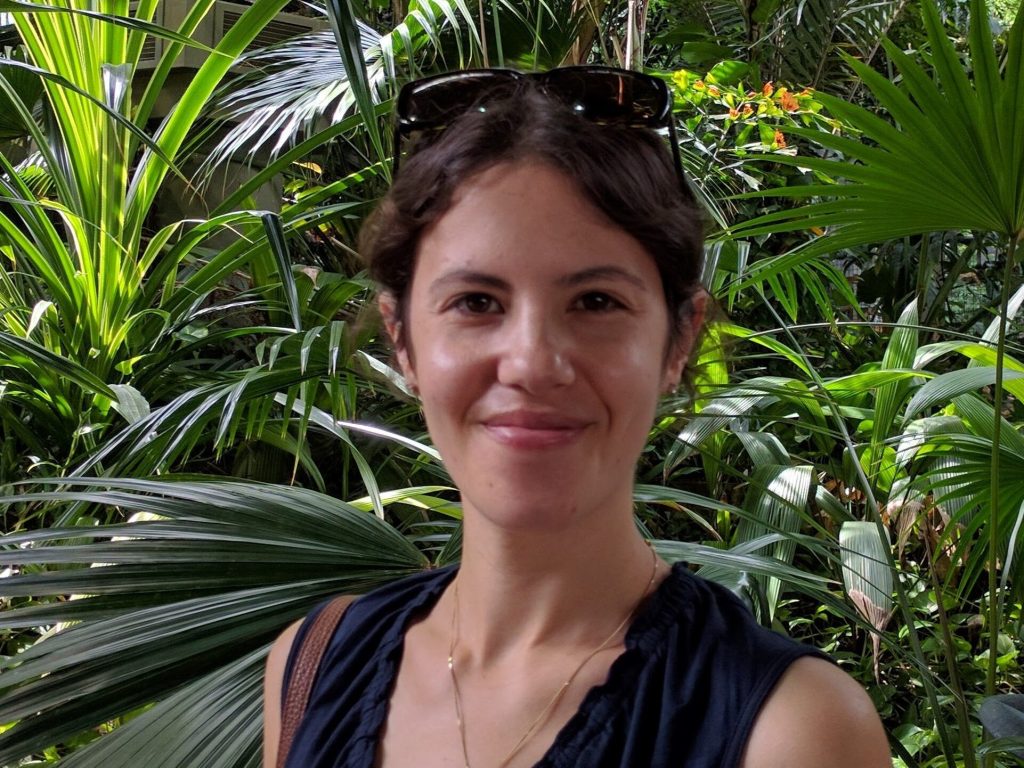
Natasha Bowser
Natasha Bowser is the program manager for the Canadian One Heath Training Program on Emerging Zoonoses. She is also a veterinarian and PhD candidate in veterinary sciences (epidemiology option) at l’Université de Montréal. Natasha has contributed to the organisation of previous TickNet symposia and co-led the Trainee Advancement Committee of CLyDRN. She has a Bachelor’s degree in Veterinary Medicine from the Royal Veterinary College, University of London (UK), and a Master’s degree in One Health from the University of Edinburgh.
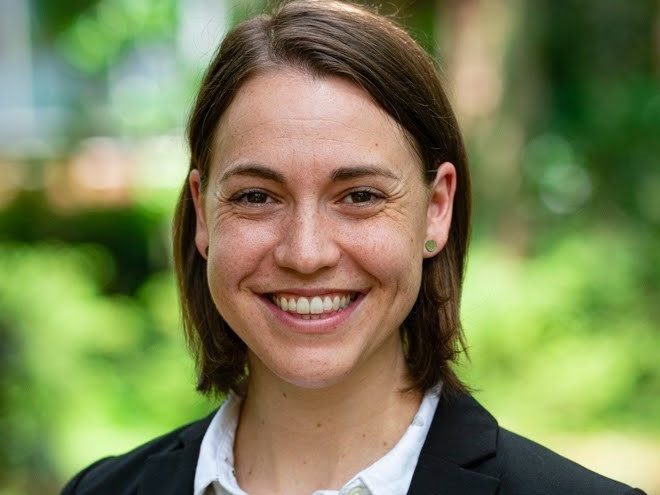
Heather Coatsworth
Dr. Heather Coatsworth is a research scientist at the National Microbiology Laboratory in Winnipeg, Manitoba, a branch of the Public Health Agency of Canada. Her team performs human diagnostics for tick-borne and zoonotic diseases, and completes surveillance on animals and ticks to monitor pathogen presence in the environment. As a medical entomologist, Heather studies why ticks are competent vectors, what ticks can transmit pathogens, and how transmission may be reduced. Additionally, she is interested in characterising these Canadian pathogens and their tick vectors via a genomic lens.

Susan Cork
Dr. Susan Cork is currently a professor in Ecosystem and Public Health at the University of Calgary, Faculty of Veterinary Medicine. She joined the faculty in 2008 after five years working with the New Zealand Ministry of Agriculture & Forestry where she held a number of policy and management positions. She has a PhD (Massey) and a degree in Veterinary Medicine and has broad experience in veterinary diagnostics and International Development. Her research interests are in global health, wildlife health, vector borne diseases and climate change.

Stephanie Cooper
Stephanie Cooper has been the Regional Administrator for eTick in British Columbia for the past 3 years maintaining the tick passive surveillance submissions for the province. She also completes yearly active tick surveillance in the lower mainland and Gulf Islands for the Canadian Lyme Disease Research Network’s CaLSeN project. She has an MSc in Health Science and a BSc in Biological Sciences both from Simon Fraser University.

Veronica Harris-McAllister
Veronica is the Network Manager for CLyDRN.

Stefan Iwasawa
Stefan Iwasawa is the vector specialist at the BC Centre for Disease Control (BCCDC) and a project coordinator at the Centre for Coastal Health (CCH). At the CCH he’s spent the last 16 years working in the field of Veterinary epidemiology that has seen him work on a wide variety of topics.

Tiff-Annie Kenny
Tiff-Annie Kenny is a professor in the Faculty of Medicine at the Université de Montréal. Her research in public and planetary health takes a transdisciplinary and participatory approach, focusing on climate-sensitive health risks, food systems, and post-infectious conditions in partnership with Indigenous communities and patient partners. Living with a chronic neuro-immune condition, her current work also explores epistemic justice and the integration of lived experience in health research.
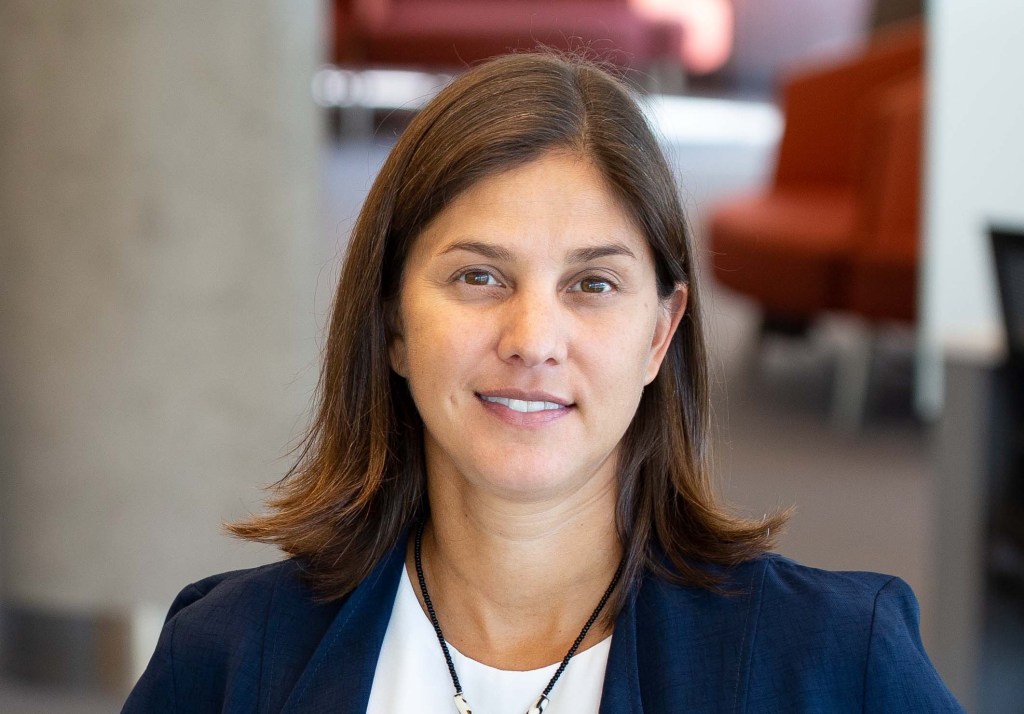
Manisha Kulkarni
Manisha Kulkarni is a Professor at the School of Epidemiology and Public Health in the Faculty of Medicine at the University of Ottawa with expertise in medical entomology, disease ecology and spatial epidemiology. She is the Scientific Director of the Canadian Lyme Disease Research Network (CLyDRN) / TickNet Canada and holds a University Research Chair in Climate Change and Emerging Diseases. Her research investigates the socio-ecological determinants of vector-borne disease emergence and risk in global settings, including tick-bone diseases in Canada and malaria in sub-Saharan Africa, and the evaluation of interventions to improve disease prevention and control.

Patrick Leighton
Patrick Leighton is Professor of Epidemiology and Public Health at the Faculty of Veterinary Medicine, University of Montréal, and Director of the Canadian Lyme Disease Research Network (CLyDRN). His research focuses on the ecology and epidemiology of zoonotic diseases, with an emphasis on vector-borne diseases and the use of epidemiological models to predict future disease risk. Over the past decade he has used surveillance and modelling to better understand the geographic spread of Lyme disease risk, and the impact of climate warming on the emergence of tick-borne diseases in Canada.

Courtney Loomer
Courtney Loomer is a Senior Biologist at the National Microbiology Laboratory, a branch of the Public Health Agency of Canada and has worked in the Field Studies section for the past 13 years. She works primarily with vector-borne diseases in both research and diagnostic capacities having experience in both the Field and the lab. She has a BSc in Biochemistry and Microbiology from the University of Victoria.
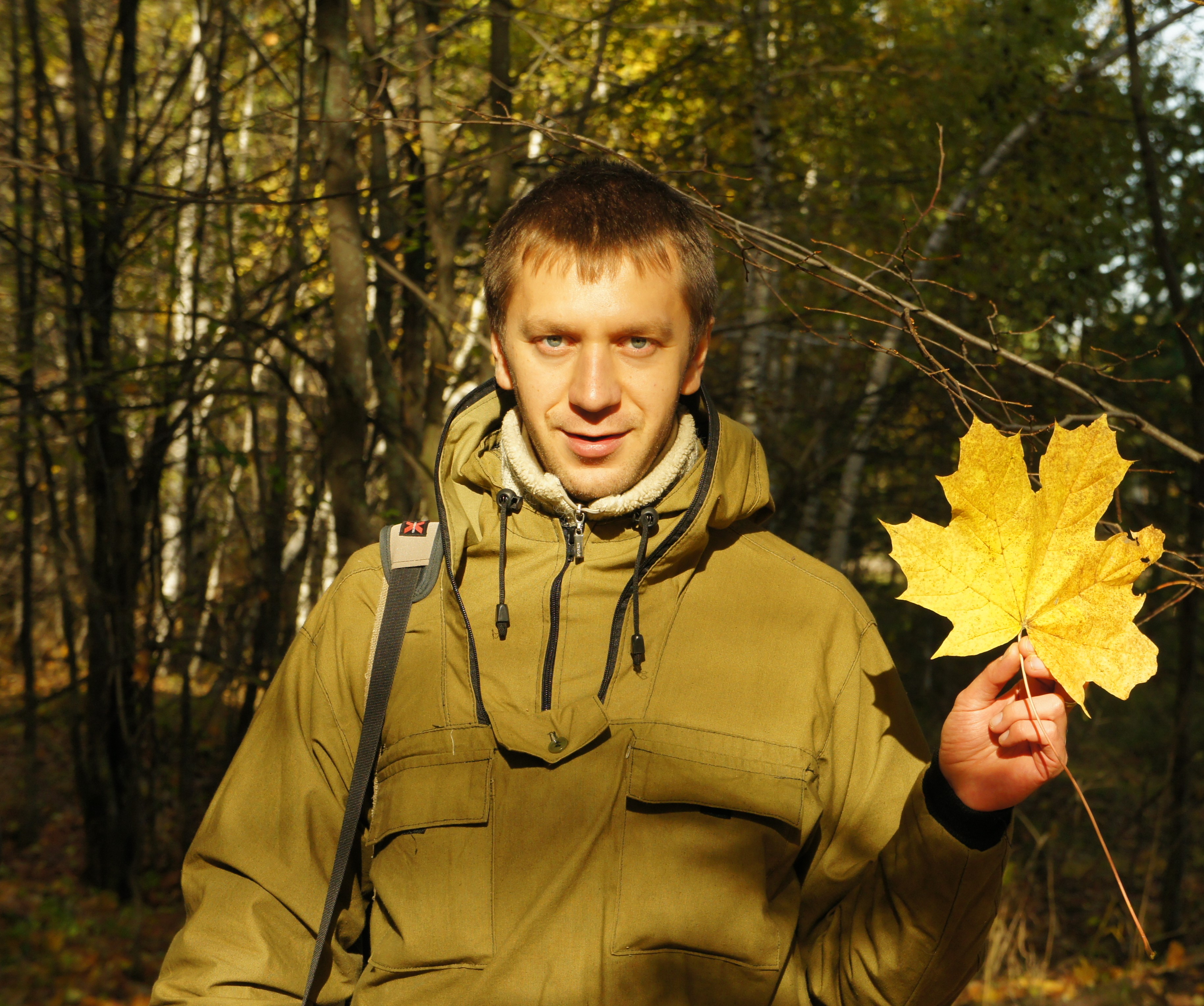
Roman Mckay
Dr. Roman McKay is the Senior Lab Coordinator at the INSIGHT Lab at the School of Epidemiology and Public Health in the Faculty of Medicine at the University of Ottawa. He is also the Field Coordinator of the Canadian Lyme Disease Research Network (CaLSeN). His research focuses on the epidemiology of vector-borne diseases, the geographic distribution of disease vectors, arthropod-host interactions, and the assessment of vector potential and capacity. Dr. McKay contributes to several initiatives, including the CLYDRN-CaLSeN network, the eTick public identification platform, and various local laboratory projects. He also coordinates field research efforts related to Lyme disease.

Muhammad Morshed
Muhammad Morshed is a clinical microbiologist and the program head of zoonotic diseases, emerging pathogens and parasitology at the BCCDC Laboratory. He is also a clinical professor in the UBC Department of Pathology & Laboratory Medicine.

Kirsten Noltie
Kirsten Noltie is a PhD candidate in Geography at Queen’s University. She has worked on a variety of applications in geographic information science (GIS) including geology, mining, forestry, and environmental sustainability. Her research examines climate change driven shifts to blacklegged tick phenology using surveillance and spatiotemporal modeling.

Michala Norman
Michala Norman completed her Masters of Public Health at the University of Ottawa in June 2024. She is currently involved in tick-borne disease research and surveillance projects aimed at assessing the environmental risks for disease transmission in Ottawa.

Dena Palamedes
Dena Palamedes, BA CPA CIA CFE CCSA CRMA is a CLyDRN Patient Partner. She retired as Chief Audit and Evaluation Executive from Canada Border Services Agency in 2016, after over thirty-six years working in various federal departments. She is active in the Institute of Internal Auditors, teaches and consults part-time in the areas of Internal Audit, Risk Management, Governance, Control & Change Management.

Alison Rebman
Alison Rebman, MPH is an Instructor in the Department of Medicine and the Co-Director for Clinical and Epidemiological Research at the Johns Hopkins University Lyme Disease Research Center. She has 15 years’ experience in the field of Lyme disease research and has contributed to a variety of epidemiologic, basic science, and qualitative initiatives, with a particular focus on understanding persistent symptoms of Lyme disease.

Pamela Scott-Crace
Pamela Scott-Crace is a patient partner and retired magazine editor living in Lunenburg County, Nova Scotia. She’s been involved in the Canadian Lyme Disease Research Network since March 2020, supporting the research working groups focused on surveillance, prevention, and innovation. She has an interest in science education, community engagement, and building public awareness for understanding and avoiding tick-borne disease.
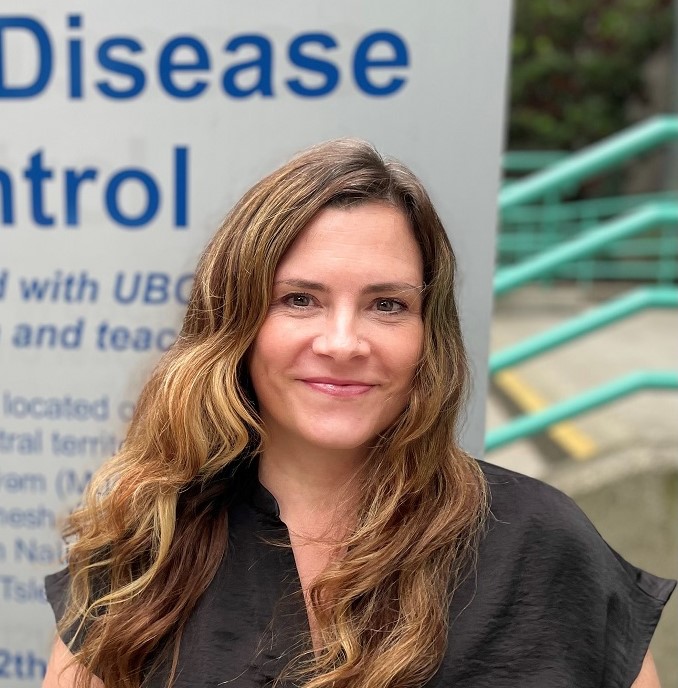
Anya Smith
Anya Smith is a Senior Scientist in enteric, zoonotic, and vector-borne diseases with Public Health Response at the BC Centre for Disease Control. She is also a Clinical Assistant Professor in the School of Population and Public Health at the University of British Columbia, and an Investigator at BC Children’s Hospital Research Institute.

Quinn Stewart
Quinn Stewart is an Epidemiologist on the Enteric, Zoonotic, and Vector-Borne Diseases team at the British Columbia Centre for Disease Control (BCCDC). She has a BSc in Biology and Human Geography and a Master of Public Health (MPH) from the University of British Columbia.

Cindy Thorburn
Cindy Caron Thorburn is Chair of Caron Thorburn Institute, a family foundation focused on education and healthcare research. With a professional background in financial services, she has decades of experience serving on charitable boards, and she is presently a Director and Chair of Audit and Risk for The King’s Trust Canada. Living with the aftermath of Lyme Disease herself, she is committed to research and awareness around the disease, including as a Member of the Advisory Board of the University of Guelph’s College of Biological Sciences.

Terrie Wainwright
Terrie Wainwright is a CLyDRN Patient Partner and member of the CLyDRN Executive Committee, CLyDRN Network Leads Committee, CLyDRN Patient & Community Advisory Committee, and involved in various CLyDRN pillar activities.

Kate Zinszer
Kate Zinszer is an Associate Professor at the School of Public Health, University of Montréal. She is an infectious disease epidemiologist and holds a Canada Research Chair Tier 2 in Global Environmental Change and Infectious Diseases. She is also the co-lead of the CLyDRN case control study along with Dr. Manisha Kulkarni. Her work focuses on describing and understanding the spatiotemporal patterns of vectorborne disease spread, predicting future occurrence, and evaluating the effectiveness of large-scale interventions for vectorborne diseases.
Additional team members
- TBA
 Ticknet