
Author: Lisa Dias
-

Advancing Research through Patient and Community Engagement
For the Canadian Lyme Disease Research Network (CLyDRN), patient engagement involves more than patients sharing their lived experiences; it’s also about ensuring patients, family members, and advocates inform the research process and the future direction of the network.
-

CLyDRN trainees are shaping the future of tick-borne disease research in Canada
When Camille Guillot joined the Canadian Lyme Disease Research Network (CLyDRN) as a doctoral student in veterinary medicine at the Université de Montréal, she gained research experience and a supportive community, both professionally and personally.
-
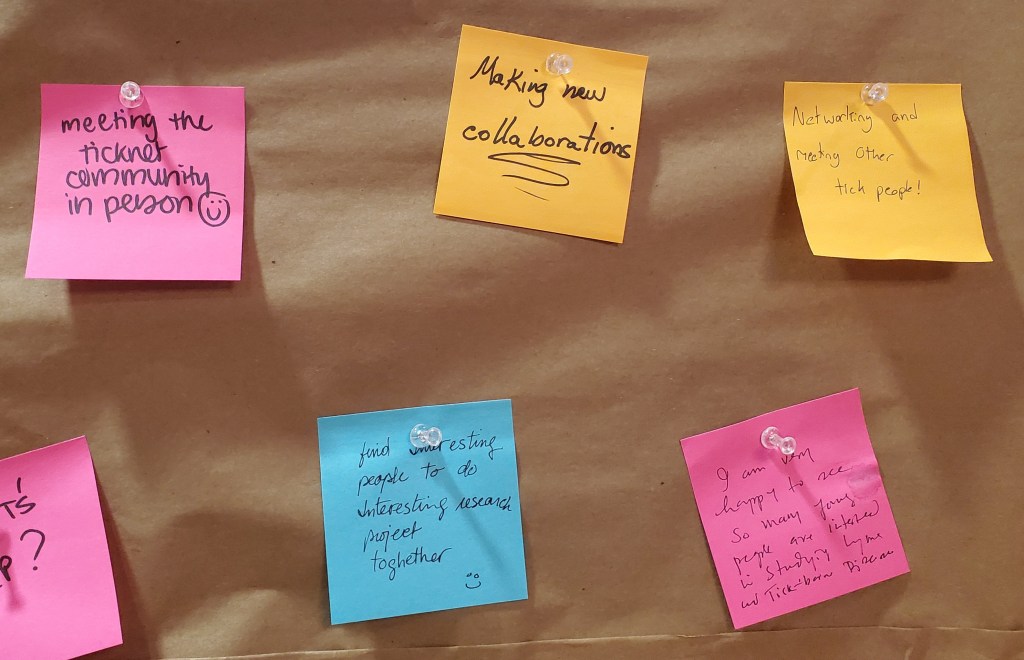
Building a national community around tick-borne disease research: The TickNet Canada Scientific Symposium
What happens when you bring together researchers, health professionals, policymakers, patient partners, and trainees with diverse expertise to share information and ideas on tick-borne disease research? You get a scientific symposium that has become a keystone forum for interdisciplinary dialogue.
-
Researchers across Canada unite to monitor ticks and tick-borne diseases
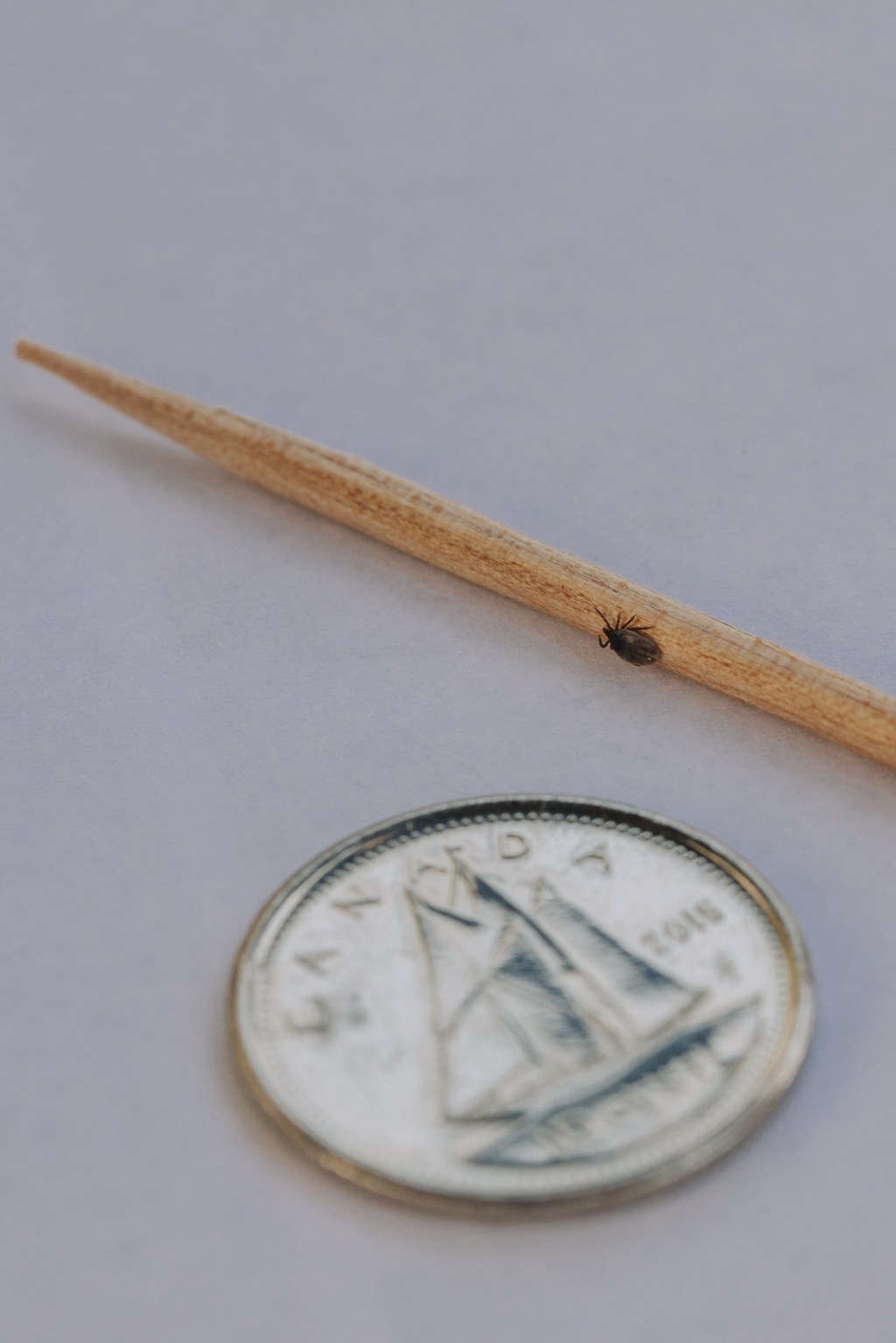
In late March to early June, you can usually find Stefan Iwasawa around Vancouver Island forested parks and trails monitoring outdoor areas for ticks by dragging a one-metre squared piece of white fabric along the ground hoping that ticks will latch on. This technique, known as tick-dragging, is one of the methods researchers use across…
 Ticknet