
Category: Community Story
-

Canadian Tick-borne Diseases Summit
The Canadian Tick-borne Diseases Summit was held on February 2, 2026, at the Canadian Museum of History (Gatineau, QC). The Summit was attended by 43 individuals across 24 partner institutions. To learn more about the event, check out the “What We Heard Report”.
-

Network Impact Evaluation Report
The Network underwent an impact evaluation carried out by ShiftHEALTH. The impact evaluation was guided by a tailored framework, structured around key enablers (research and training; knowledge mobilization; collaboration; patient engagement) and associated objectives that have helped to advance CLyDRN’s mission between 2019 to 2025. The report highlights key contributions to the tick-borne disease research…
-

Advancing Research through Patient and Community Engagement
For the Canadian Lyme Disease Research Network (CLyDRN), patient engagement involves more than patients sharing their lived experiences; it’s also about ensuring patients, family members, and advocates inform the research process and the future direction of the network.
-

CLyDRN trainees are shaping the future of tick-borne disease research in Canada
When Camille Guillot joined the Canadian Lyme Disease Research Network (CLyDRN) as a doctoral student in veterinary medicine at the Université de Montréal, she gained research experience and a supportive community, both professionally and personally.
-

Building a national community around tick-borne disease research: The TickNet Canada Scientific Symposium
What happens when you bring together researchers, health professionals, policymakers, patient partners, and trainees with diverse expertise to share information and ideas on tick-borne disease research? You get a scientific symposium that has become a keystone forum for interdisciplinary dialogue.
-
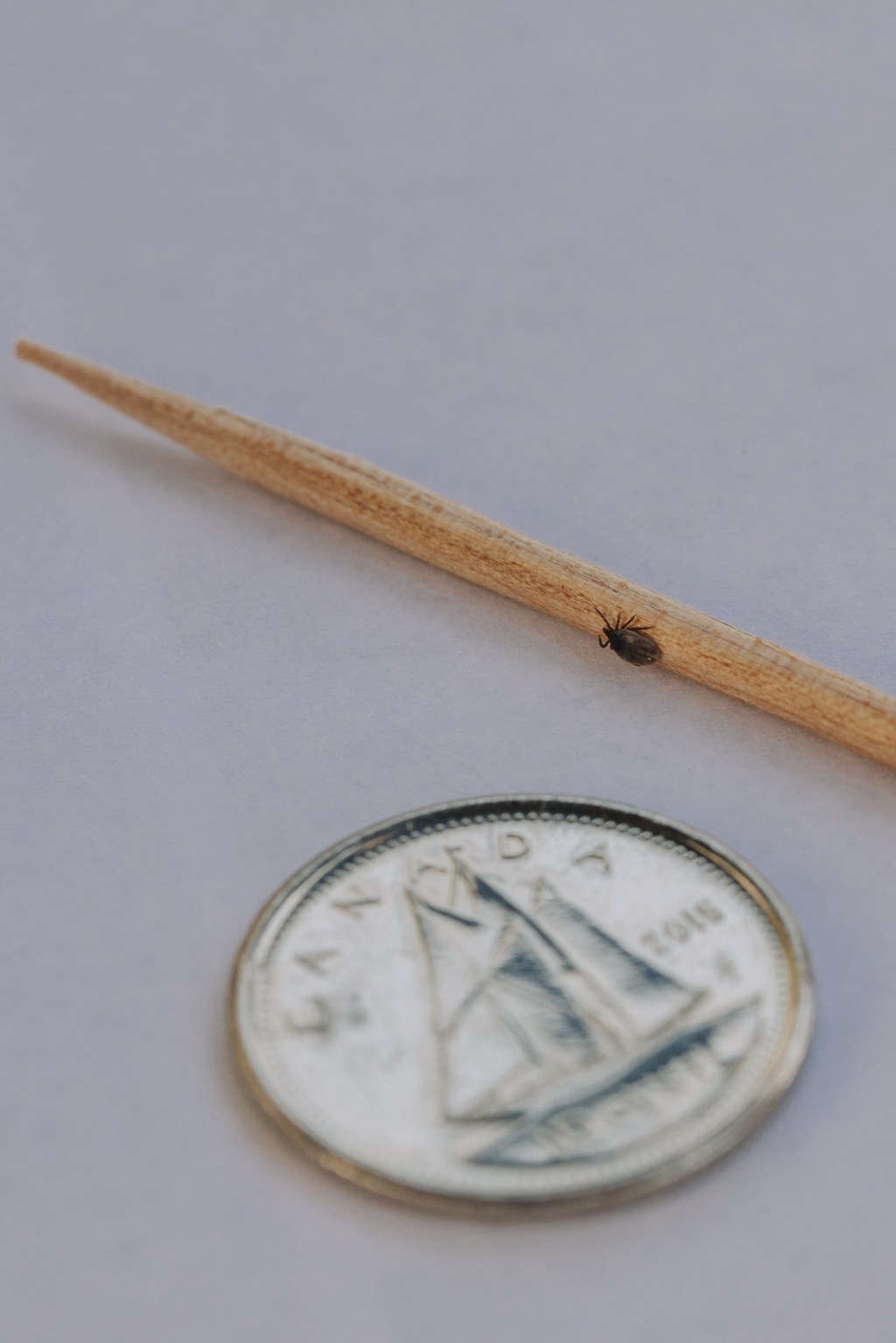
Researchers across Canada unite to monitor ticks and tick-borne diseases
In late March to early June, you can usually find Stefan Iwasawa around Vancouver Island forested parks and trails monitoring outdoor areas for ticks by dragging a one-metre squared piece of white fabric along the ground hoping that ticks will latch on. This technique, known as tick-dragging, is one of the methods researchers use across…

